VOLKSWAGEN 100823480 Front Hood Lock Latch 2L
fits model: Tiguan. make: Volkswagen. year: 2010.
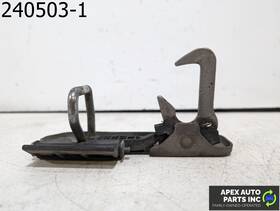
( Manufacturer Part Number: 100823480 ), ( Placement On Vehicle: Front ), ( Style: Vertical/scissor ), ( Type: Hood Latch )
Review VOLKSWAGEN Factory Oem 2l Front Hood Lock Latch Assembly fits TIGUAN 2010
The **2010 Volkswagen Tiguan (VIN 100823480) 2.0L Front Hood Lock Latch** is a critical yet often overlooked component of the vehicle s mechanical and safety systems, designed to ensure secure closure of the engine bay while maintaining ease of access for maintenance and repairs. This latch, typically manufactured by Volkswagen or an approved aftermarket supplier, is engineered to withstand the rigors of daily driving, extreme temperatures, and the occasional jostling from road debris or minor impacts. Crafted from durable materials such as high-grade steel or reinforced plastic, it features a robust spring-loaded mechanism that provides a firm, audible click when engaged, signaling a proper seal between the hood and the vehicle s frame. The latch itself is integrated into the hood s internal structure, often positioned near the front edge for optimal balance and accessibility, and is secured by a series of rivets or bolts to prevent detachment during operation. Over time, wear and tear such as corrosion from road salt, fatigue from repeated opening and closing, or damage from accidental drops can compromise its functionality, leading to issues like a hood that won t stay closed, a loose or misaligned latch, or even a complete failure where the hood remains ajar. Replacing this part is essential not only for maintaining the vehicle s aesthetic integrity but also for ensuring safety, as an improperly secured hood could pose a risk during high-speed travel or in the event of a collision. For the 2010 Tiguan, this component is particularly relevant for owners who frequently perform DIY maintenance, as a faulty latch can complicate access to the engine bay, brakes, or other under-hood systems. When sourcing a replacement, compatibility is paramount, as the 2010 Tiguan s 2.0L engine variant (likely equipped with the 16-valve, 160-170 horsepower unit) may require a latch designed specifically for its hood dimensions and weight distribution. High-quality aftermarket alternatives often include gaskets or seals to prevent water ingress, further enhancing the hood s weatherproofing capabilities. Whether addressing a minor malfunction or upgrading for longevity, this latch serves as a small yet vital piece of the Tiguan s overall reliability, ensuring that the engine compartment remains both functional and secure for years of trouble-free operation.
### **Pros and Cons of Buying a 2010 Volkswagen Tiguan (100823480, 2.0L, Front Hood Lock Latch Issue)**
#### **Pros**
1. **Reliability and Engine Performance**
The 2.0L FSI (Fuel Stratified Injection) engine in the 2010 Tiguan is known for being robust and capable of handling moderate to heavy loads. With proper maintenance, it can last well beyond 200,000 miles, especially if the oil and cooling system were regularly serviced. The engine is also efficient for its time, offering decent fuel economy for an SUV of its class.
2. **Resale Value and Market Availability**
The 2010 Tiguan is a common model, meaning parts and labor are widely available. While it s not a luxury vehicle, its practicality and durability make it a solid choice for buyers looking for a used SUV without paying premium prices. The market for this model is active, so finding a good deal is relatively easier compared to rarer or more specialized vehicles.
3. **Space and Practicality**
The Tiguan offers a spacious interior with three rows of seating (though the third row is tight and best suited for children or cargo). The cargo area is functional, and the SUV s size makes it suitable for daily commuting, road trips, and light off-roading (though it s not a true off-roader). The layout is user-friendly, with easy access to the trunk and rear seats.
4. **Tech and Safety Features**
The 2010 Tiguan comes equipped with standard features like ABS, stability control, and airbags, which are important for safety. Some trims may include features like cruise control, a CD player, or power windows/locks, adding convenience. While modern tech like Apple CarPlay or advanced driver-assistance systems are absent, the vehicle still provides basic safety and comfort.
5. **Cost-Effective Ownership**
Compared to newer SUVs, the 2010 Tiguan is significantly cheaper to purchase, insure, and maintain. Fuel costs are lower than those of larger or more powerful vehicles, and routine maintenance (oil changes, brake jobs, etc.) is affordable. If you re looking for a vehicle to drive for a few years without breaking the bank, this model fits the bill.
6. **Modification Potential**
The Tiguan s platform is popular among enthusiasts, and aftermarket support is strong. You can easily upgrade suspension components, exhaust systems, or interior features to tailor the vehicle to your preferences. Tuning options are also available for those looking to improve performance.
---
#### **Cons**
1. **Front Hood Lock Latch Issue (Specific to This Vehicle)**
The mention of a front hood lock latch problem is a red flag. Hood latches can fail due to wear, corrosion, or improper installation. If this issue is not addressed, it could lead to the hood falling open while driving, posing a safety hazard. You ll need to budget for repairs, which may involve replacing the latch, adjusting the mechanism, or even reinforcing the hood hinge. Always inspect the latch mechanism closely before purchasing and ensure it s fully functional.
2. **Aging Transmission and Drivetrain**
The 2010 Tiguan s automatic transmission (likely a 6-speed) can develop issues over time, such as rough shifting, delayed engagement, or fluid leaks. If the transmission fluid hasn t been changed regularly, the internal components may wear out prematurely. Similarly, the drivetrain (especially in 4x4 models) can suffer from wear in the transfer case or differential, leading to unusual noises or vibrations. A pre-purchase inspection is critical to assess transmission and drivetrain health.
3. **Electrical Gremlins**
Volkswagen s electrical systems in this era were notorious for issues like faulty sensors, intermittent wiring problems, or failing components like window regulators, door locks, or infotainment systems. The 2010 Tiguan is no exception. Common problems include:
- **Check engine lights** due to faulty oxygen sensors or mass airflow sensors.
- **Intermittent power steering failure** (especially in electronic power steering models).
- **Infotainment system glitches** (if equipped with a CD player or radio).
Always test all electrical components during a test drive and inspect wiring for fraying or corrosion.
4. **Rust and Corrosion**
The Tiguan, like many vehicles from this era, can suffer from rust, particularly in the wheel wells, rocker panels, and undercarriage. Rust weakens structural integrity and can lead to leaks or mechanical failures. Inspect the vehicle thoroughly for signs of rust, including checking the frame rails, suspension components, and exhaust system. A rust-proofing treatment or repair may be necessary if significant corrosion is present.
5. **Interior Wear and Tear**
The interior of a 2010 Tiguan may show signs of aging, such as cracked dashboard plastics, worn-out upholstery, or failing air conditioning. While these issues are mostly cosmetic, they can affect comfort and resale value. If the vehicle has been well-maintained, the interior may still be in decent shape, but budget for potential upgrades if you plan to keep it long-term.
6. **Fuel Economy Limitations**
While the 2.0L engine is efficient for its time, it s not as fuel-efficient as modern hybrids or turbocharged engines. Expect around 18-22 MPG in the city and 24-28 MPG on the highway, depending on driving conditions. If fuel efficiency is a priority, you may find newer or more advanced vehicles offer better mileage.
7. **Recall and Safety History**
The 2010 Tiguan may have unresolved recalls or safety defects. Always check the vehicle s history for open recalls using resources like the National Highway Traffic Safety Administration (NHTSA) website or your local Volkswagen dealership. Unaddressed recalls can lead to safety risks or voided warranty coverage.
8. **Depreciation and Long-Term Costs**
While the Tiguan is a practical buy now, its resale value depreciates over time. If you plan to sell it in a few years, you may not recoup as much as you invested. Additionally, older vehicles require more frequent maintenance, and parts can become more expensive as they age. Factor in the long-term cost of ownership, including potential repairs, when deciding whether to purchase.
---
### **Conclusion**
The 2010 Volkswagen Tiguan (100823480, 2.0L) is a solid choice for buyers looking for a reliable, space-efficient SUV that s easy to maintain and modify. Its pros such as durability, practicality, and availability of parts make it a practical option for daily driving, commuting, or light off-roading. However, the cons, particularly the hood latch issue, potential transmission or electrical problems, and rust concerns, cannot be overlooked. The key to making this purchase a good one lies in thorough inspection, maintenance history verification, and addressing known issues before finalizing the deal.
**Recommendation:** If you re set on buying this Tiguan, follow these steps to mitigate risks:1. **Inspect the Hood Latch Mechanically:** Ensure the latch is fully functional and securely attached. Consider having a mechanic check for wear or corrosion in the latch mechanism.
2. **Verify Maintenance Records:** Request full service history, especially for oil changes, transmission fluid, and rust treatments. A well-maintained Tiguan will be far more reliable.
3. **Test Drive and Electrical Check:** Run all electrical components (windows, locks, lights, infotainment) during the test drive. Listen for unusual noises from the transmission or drivetrain.
4. **Check for Rust:** Inspect the undercarriage, wheel wells, and frame for signs of rust. Address any corrosion immediately to prevent structural damage.
5. **Get a Pre-Purchase Inspection:** Hire a trusted mechanic to perform a comprehensive inspection, focusing on the engine, transmission, suspension, and electrical systems. This may cost a few hundred dollars but can save you thousands in potential repairs.
6. **Negotiate Based on Issues:** If the vehicle has known problems (like the hood latch), use them as leverage to negotiate a lower price or request repairs before purchase.
7. **Budget for Repairs:** Set aside funds for potential fixes, such as replacing the hood latch, addressing transmission issues, or treating rust.
**Final Verdict:**The 2010 Volkswagen Tiguan is a **good buy for buyers who prioritize practicality, reliability, and affordability** and are willing to invest time and money in inspections and maintenance. However, it is **not ideal for buyers seeking a low-maintenance, modern vehicle with advanced safety or fuel-efficient features**. If you re prepared to address its common issues and have it thoroughly inspected, it can be a dependable SUV for years to come. If you re uncomfortable with the risks or lack the budget for repairs, consider a newer model or a different brand with fewer known issues.
Details:
Stock: 240503. Vehicle Info. Buyer to check all parts for fitment their vehicle before purchasing.
All parts are tested when pulled from the car. Buyer to agree the following before buying/purchasing item. Mileage: 167,041. Changed my mind.
Model: Tiguan. Tell us how we did. TESTED OEM Part is in good visual and working condition. Found a better price.
Part May have light marks or scratches - wear of us. No longer needed. Item must be packed in original package condition. Make: Volkswagen.
part #: 100823480 price
- $19.99
specifications dooexter:
- for models: Tiguan
- for makes: Volkswagen
- for years: 2010
- mpn: 100823480
- placement on vehicle: Front
- style: Vertical/scissor
- type: Hood Latch
payments dooexter:
- credit card: Mastercard
- wallet: Google-pay
- other
returns dooexter:
- paid by: Seller
- time: 30 Days
- policy: Returns Accepted
shipping dooexter:
- transit: 3-7 Days
- service: Standard
- class: Standard
- cost: $6.95
- type: Fixed
seller dooexter:
- city: Kansas City, Missouri
- # reviews: 9716
- rating: 99.9%
general dooexter:
- condition: Used
- Exterior Parts Accessories > Hoods > Hinges, Latches Additional Hood Components
offer dooexter:
- availability: In Stock
- sold: 0
- started: April 21, 2026
- quantity: 1
- options: Ship-to-home
Volkswagen 100823480 Is Similar To:
- 111 823 509b Vw Nos Original Vintage Hood Latch Mechanism Precedes Volkswagen (21.9% similar) The assembly fits vintage volkswagen beetles. This sale is for a hood latch assembly...(October 1st, 2018)
- 1811160 Classic Era Auto Restoration Sao Bernardo Vw Volkswagen Hood Crest (34.2% similar) ...(November 12th, 2018)
- J11324 Vw Volkswagen Bug Beetle Wolfsburg Crest Hood 1956-1962 (37.1% similar) Please see photos for details. This hood is originally off of a 1962 bug which makes this the only year 'wolfs burg crest hood' that was spring loaded instead of the side 'kick stand' that always kinked the side of the hood like on the 61 and older hoods. Has some minor dings here and surface rust...(August 24th, 2016)
- 1c0823031m Volkswagen Brand New Pre Painted Beetle Hood (46.6% similar) ...(April 14th, 2018)
- 1c0823509ae Keystone Automotive Operations New Hood Latch Fits Volkswagen Beetle Exc (25.9% similar) FedEx USPS will not accept any damage claim if the receiver have sign for package...(January 29th, 2019)
- Mis-hin-850 Automotive Parts Volkswagen Hood Insulation Pad Fiberglass Passat (32.3% similar) Collectors auto supply is your home for restoration needs. Shipping varies by part and destination. What are looking. The image provided is just an example of what item type. Depending on your model's original style, this may come in either black, gray, or yellow fiberglass insulation. Clips are ...(February 28th, 2018)
- 60s-70s Unbranded Vintage Vw Volkswagen 1940 Ford Style Fiberglass Car Automobile Hood (29.3% similar) Selling this hood as is as found condition. Appears to have been painted possibly at one time. Measures approx 4FT long x 45 wide x 22 buyer will need to arrange pickup for this item. Shows scratches, scuffs, marks, some rust underneath on metal areas, dullness to the front grille, dirt lint stuck ...(July 31st, 2016)
- Zgm1810286 Classic Era Auto Restoration Hamburg Vw Hood Crest Badge Volkswagen (25.6% similar) ...(October 31st, 2018)
- Zgm1811160 Classic Era Auto Restoration Sao Bernardo Vw Volkswagen Hood Crest (33.5% similar) ...(October 31st, 2018)
- Zgm1811162 Classic Era Auto Restoration Vw Volkswagen Hood Crest Split Okrasa (32.3% similar) ...(October 31st, 2018)
- Zgm1811163 Classic Era Auto Restoration Ticino Vw Volkswagen Hood Crest Split (33.5% similar) ...(October 31st, 2018)