FORD DT1Z-16826-A Transit Connect Hood Rod
fits make: Ford. year: 2014–2019.
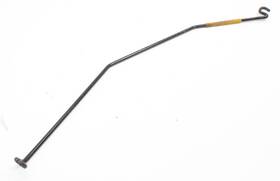
( Manufacturer Part Number: DT1Z-16826-A ), ( Type: Hood Stay Rod ), ( Color: Black ), ( Material: Steel ), ( Placement On Vehicle: Front )
Review FORD Transit Connect Hood Stay Rod Oem fits 2014–2019
The **Ford DT1Z-16826-A Hood Rod** is a critical, yet often overlooked component for the **2014 2019 Ford Transit Connect**, serving as the structural backbone that connects the hood assembly to the engine bay, ensuring proper alignment, functionality, and safety. Engineered to meet Ford s stringent engineering standards, this high-quality hood rod is designed with precision-machined steel, delivering both durability and reliability under the demanding conditions of daily use. Its robust construction resists warping, bending, or fatigue over time, even when subjected to the rigors of urban driving, rough roads, or exposure to varying weather elements. The rod s design integrates seamlessly with the Transit Connect s hood latch mechanism, providing smooth operation while maintaining a secure seal between the hood and the windshield, which is essential for aerodynamic efficiency and interior cabin protection.
Beyond its structural role, the hood rod plays a pivotal part in the vehicle s overall safety and functionality. It ensures that the hood remains properly positioned, preventing unintended opening during transit or collisions, which could lead to obstructions or hazards for the driver. The rod s precise fitment also contributes to the hood s smooth articulation when opened or closed, reducing strain on the latch and hinge system, thereby extending the lifespan of these critical components. For mechanics and DIY enthusiasts, this part is a straightforward yet essential replacement when dealing with hood misalignment, latch failure, or hood assembly wear common issues that can compromise both the vehicle s appearance and performance.
Available as an **OEM (Original Equipment Manufacturer) replacement**, the **DT1Z-16826-A** is a direct fit for the 2014 through 2019 Transit Connect models, ensuring compatibility with all engine configurations, including the 1.6L and 2.0L gasoline engines, as well as the 1.5L diesel option. Its universal application makes it a versatile choice for fleet operators, rental agencies, and individual owners seeking to maintain their vehicle s integrity without compromising on quality. Whether addressing a routine maintenance task or repairing damage from an accident, this hood rod exemplifies Ford s commitment to reliability, offering a dependable solution that aligns with the vehicle s original specifications. Proper installation, typically requiring only basic tools and a few minutes of work, ensures that the hood functions as intended, preserving both the aesthetic appeal and mechanical efficiency of the Transit Connect.
### **Pros and Cons of Buying a Ford DT1Z-16826-A (2014 2019 Transit Connect Hood Rod)**
#### **Pros:**1. **Reliability of the Ford Transit Connect Platform** The Transit Connect is a well-built compact van known for its durability, especially in the cargo and passenger versions. The DT1Z engine (a 2.5L Duratorq diesel) is a robust powerplant when maintained properly.
2. **Fuel Efficiency** The 2.5L diesel engine offers decent fuel economy, typically around **30 35 MPG highway**, making it cost-effective for long-distance driving compared to gasoline alternatives.
3. **Strong Towing and Payload Capacity** The Transit Connect (especially in higher trim levels) can tow up to **3,500 lbs** and carry significant payloads, making it useful for work or family needs.
4. **Durability of the DT1Z Engine** When properly maintained, the DT1Z (used in Ford s European-market Transit Connect) is known for longevity, often lasting **200,000 miles** with regular service.
5. **Availability of Parts and Service Support** Ford dealerships and independent mechanics have experience with this engine, though parts may be slightly more expensive than mass-market diesels.
6. **Good Resale Value** The Transit Connect holds its value better than many compact vans due to its reputation for reliability and versatility.
7. **All-Wheel Drive Option** The AWD version provides better traction in snow or rough terrain, which can be a major advantage in certain climates.
8. **Spacious Interior for Its Size** Despite being compact, the Transit Connect offers surprisingly good cargo space and passenger comfort compared to rivals like the Nissan NV200 or Toyota Proace.
---
#### **Cons:**1. **Common Hood Rod Failure** The **DT1Z-16826-A** engine is notorious for **hood rod (camshaft drive) failures**, typically occurring between **100,000 150,000 miles**. This is a critical failure that can lead to catastrophic engine damage if not caught early. Replacement costs **$1,500 $3,000 **, depending on labor and parts.
2. **High Maintenance Costs** While the engine itself is durable, **regular upkeep (timing belt, water pump, coolant system, and fuel system checks) is essential** to prevent major failures. Many owners report **expensive repairs** if maintenance is neglected.
3. **DPF (Diesel Particulate Filter) Issues** Modern diesels like the DT1Z are equipped with DPFs, which can clog and require **expensive regeneration cycles** (often **$1,000 $2,500** to clean or replace). This is more common in stop-and-go driving conditions.
4. **Limited Availability of Newer Models** Since the Transit Connect was discontinued in the U.S. after 2019, finding **new or certified pre-owned models is difficult**, increasing the risk of buying a used one with unknown history.
5. **Higher Insurance Costs** Due to its **towing capacity and diesel engine**, insurance premiums may be higher than for comparable gasoline-powered vans.
6. **DPF and EGR System Reliability Concerns** Some owners report **frequent DPF regenerations, EGR valve failures, and turbocharger issues**, adding to long-term maintenance costs.
7. **Resale Market Challenges** While it holds value, **finding a buyer for a used DT1Z Transit Connect may be difficult** due to its niche appeal and known issues.
8. **Potential for Hidden Problems** Without a **full service history**, it s hard to know if the **hood rod, injectors, or turbocharger** have been properly maintained, leading to unexpected repairs.
---
### **Conclusion:**The **2014 2019 Ford Transit Connect with the DT1Z-16826-A engine** is a **capable, fuel-efficient workhorse** when **properly maintained**. However, the **hood rod failure risk** makes it a **high-risk purchase** unless you are prepared for **potential major repairs** (or can find a well-documented example with recent maintenance).
If you **must buy one**, prioritize:- **A vehicle with a full service record** (especially for **hood rod replacement, timing belt, and DPF maintenance**).
- **A lower-mileage example (under 120,000 miles)** with **recent oil changes and coolant system checks**.
- **A pre-purchase inspection (PPI) by a diesel specialist** to confirm no hidden issues.
If you re looking for a **more reliable diesel van**, consider alternatives like:- **2015 2019 Ford Transit (3.5L EcoBoost or 3.7L Power Stroke)** More modern, better supported.
- **2016 2019 Ram ProMaster (3.6L Pentastar)** Stronger warranty coverage.
- **2017 Mercedes Sprinter (OM642 diesel)** More expensive but extremely durable.
### **Final Recommendation:** **Only buy a DT1Z Transit Connect if:**You **find one with documented hood rod replacement** (or are willing to budget **$2,000 for one**).
You **plan to keep it long-term** and maintain it aggressively.
You **don t mind higher insurance costs** and potential DPF/EGR issues.
**Otherwise, consider a more modern or better-supported van** to avoid the **high-risk, high-reward** nature of this engine.
Would you like help finding alternative models or red flags to watch for in a pre-purchase inspection?
Details:
Interior Color Black Cloth. 387,940 Miles. Regular shipping. If quantity shows more than one, the other parts listed under that listing are of equal or better condition photos.
Any Question. 2016 Ford Transit Connect XLT. NM0LS6F76G1260421. 2.5L 4 Cylinder Automatic.
Read the following below>>>. Actual photos of items.
part #: dt1z16826 prices
- $29.95-$48.00
specifications dooexter:
- for makes: Ford
- for years: 2014-2019
- mpn: Dt1z-16826-a
- type: Hood Stay Rod
- color: Black
- material: Steel
- placement on vehicle: Front
offer dooexter:
- options: Ship-to-home
- started: March 13, 2026
- sold: 0
- availability: In Stock
- quantity: 1
payments dooexter:
- other
- wallet: Paypal
- credit card: Visa
seller dooexter:
- city: Fair Grove, Missouri
- # reviews: 3729
- rating: 99.7%
returns dooexter:
- policy: Returns Accepted
- paid by: Seller
- time: 30 Days
shipping dooexter:
- type: Fixed
- transit: 4-8 Days
- service: UPS Ground
- class: Standard
- cost: $12.00
- carrier: UPS
general dooexter:
- Exterior Parts Accessories > Hoods > Hinges, Latches Additional Hood Components
- condition: Used
Ford DT1Z-16826 Is Similar To:
- 359662-smk Scott Drake Mustang Parts Ford Hood Hinge Mounting Kit New (16.8% similar) One brand new hood hinge mounting kit. Ships to lower 48 states only. Note this picture is solely for illustration and does not indicate exact product. This hood hinge mounting kit is for your ford mustang...(September 12th, 2018)
- 71f-17301a-m Oval Industries Ford Mustang Hood Scoop Grill Inserts Pair Lh (26.5% similar) These hood scoop grill inserts are for your ford mustang. One brand new pair of hood scoop grill inserts black plastic, honeycomb, original ford tooling. Note this picture is solely for illustration and does not indicate exact product. Ships to lower 48 states only...(October 2nd, 2018)
- C0zz-16896-r Daniel Carpenter Ford Mustang Twist Hood Lock Assy Chrome New (38.2% similar) Ships to lower 48 states only. Note this picture is solely for illustration and does not indicate exact product. One brand new chrome, twist hood lock assembly. This twist hood lock assembly is for your ford mustang...(September 13th, 2018)
- C5zz-16740-a Daniel Carpenter Ford Mustang Hood To Cowl Seal New (27% similar) One brand new hood to cowl seal, includes pre-installed fasteners and pre-punched retainer holes. Ships to lower 48 states only. Note this picture is solely for illustration. Does not indicate exact product. This hood to cowl seal is for your ford mustang...(October 6th, 2018)
- C7zz-16740-a Daniel Carpenter Ford Mustang Hood To Cowl Seal New (27% similar) Note this picture is solely for illustration. One brand new hood to cowl seal sponge, includes fasteners. This hood to cowl seal is for your ford mustang. Ships to lower 48 states only. Does not indicate exact product...(September 5th, 2018)
- C9zz-16666 Daniel Carpenter Ford Mustang Hood Scoop Seal New (29.5% similar) This non functional hood scoop seal is for your ford mustang. Ships to lower 48 states only. Note this picture is solely for illustration and does not indicate exact product. One brand new non-functional hood scoop seal fits behind grill...(September 14th, 2018)
- C9zz-16740-a Daniel Carpenter Ford Mustang Hood To Cowl New (28.1% similar) This hood to cowl is for your ford mustang. Ships to lower 48 states only. Does not indicate exact product. Note this picture is solely for illustration...(October 2nd, 2018)
- D0zz-16896-r Daniel Carpenter Ford Mustang Twist Hood Lock Assy Chrome New (39.7% similar) This twist hood lock assembly is for your 1970 ford mustang. Ships to lower 48 states only. Note this picture is solely for illustration and does not indicate exact product. One brand new chrome, twist hood lock assembly...(October 15th, 2018)
- 000000000000 Fomoco Ford Deluxe Hood Latch Handle Oem (35.1% similar) The pictures are best. This part is for ford deluxe...(June 10th, 2018)
- 0001 Ford Pickup Hood Emblem Chrome Plated (29.1% similar) All mounting bosses on back side are intact. This is a 1951 ford pickup front hood emblem, will also fit I have polished the side, but there still some pitting in chrome plating see last 2 photos above. The piece is OK for a daily driver as-is, but will need to be re-plated show car use...(March 5th, 2018)
- 01a-16892-a Bob Drake Reproductions Ford Standard Pickup Hood Safety Catch Plain (29.8% similar) Plain hood safety catch...(April 15th, 2018)