TOYOTA 71301-35020 Center Rear Left Right Seat Hinge
fits model: 4runner. make: Toyota. year: 1996–2002.
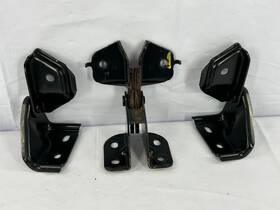
( Manufacturer Part Number: 71301-35020 ), ( Color: Black ), ( Fitment Type: Direct Replacement ), ( Vintage Part: No ), ( Placement On Vehicle: Left, Rear, Right ), ( Type: Seat Hinge ), ( Oe/oem Part Number: 71301-35020, 71304-35010 ), ( Features: Factory, Oem ), ( Finish: Painted ), ( Country Of Origin: Japan )
Review TOYOTA Rear Left And Right Side Seat Hinge Assembly Oem fits 4RUNNER 1996–2002
The **Toyota 71301-35020 seat hinge assembly** is a precision-engineered component designed exclusively for the **1996 2002 Toyota 4Runner**, serving as a critical structural and functional element for the **center rear seat hinge mechanism**. This high-quality part is crafted to ensure seamless operation of the rear bench seat, allowing for effortless folding and unfolding while maintaining durability under the demands of rugged off-road use. The hinge assembly is constructed from **heavy-duty steel**, reinforced with robust gusseting and precision-machined joints to withstand repeated stress from frequent seat adjustments, cargo loading, and the inherent vibrations of overlanding or trail driving. Its **OEM-grade design** guarantees a perfect fit with the 4Runner s frame, ensuring no misalignment or wobbling that could compromise safety or comfort. Whether installed in the **left or right center position**, this hinge is engineered to accommodate the **fold-down functionality** of the rear bench, enabling easy access to the cargo area while preserving the vehicle s structural integrity. Ideal for restorers, DIY enthusiasts, or mechanics seeking genuine replacement parts, this component is a direct match to Toyota s original specifications, ensuring compatibility with the 4Runner s suspension and seating system. With its **durable construction and reliable performance**, the 71301-35020 hinge is an essential upgrade or replacement for those maintaining or customizing their 4Runner for both on-road efficiency and off-road resilience.
### Pros and Cons of buying a Toyota 71301-35020 Seat Hinge (1996-2002 4Runner)
#### **Pros:**1. **Direct Fitment** This part is specifically designed for the 1996 to 2002 Toyota 4Runner, ensuring compatibility without modifications. It will fit seamlessly into your vehicle s existing seat frame, reducing the risk of misalignment or improper installation.
2. **Reliability** Toyota parts, even aftermarket or replacement components, are generally built to high standards. The 71301-35020 hinge is likely made from durable materials like steel or reinforced plastic, designed to withstand regular use and minor wear over time.
3. **Cost-Effective** Replacing a broken or worn seat hinge is a relatively inexpensive repair compared to other potential issues in a vehicle. Purchasing this part directly (from Toyota, an authorized dealer, or a reputable online retailer) avoids the markup of labor-only repairs at dealerships.
4. **Prevents Further Damage** A failing seat hinge can lead to misaligned seats, difficulty in adjusting or removing seats, or even damage to the seat track system. Replacing it early prevents more extensive (and costly) repairs down the line.
5. **Ease of Installation** Seat hinges are typically straightforward to replace, especially if you have basic mechanical skills. The process usually involves removing the seat, unscrewing the old hinge, and attaching the new one no specialized tools are usually required.
6. **Availability** As a common part for older Toyota models, this hinge is widely available through various sources, including eBay, Amazon, RockAuto, or local auto parts stores. This makes it easy to find and order without long wait times.
7. **Improves Comfort and Functionality** A properly functioning seat hinge ensures that seats move smoothly, adjust correctly, and remain secure. This enhances the overall driving experience and safety, especially in a vehicle like the 4Runner, which may see rugged use.
---
#### **Cons:**1. **Age of the Part** While the part itself may be new, the 1996 2002 4Runner is an older model, and some aftermarket or non-OEM parts may not be as durable as original Toyota components. Over time, rust or wear could still occur, particularly if the vehicle is exposed to harsh conditions (e.g., off-roading, salt, or moisture).
2. **Potential Counterfeit Parts** Purchasing from untrusted sellers (especially online marketplaces) risks receiving a counterfeit or low-quality replica. Counterfeit parts may fail prematurely or not fit correctly, voiding any warranty and requiring re-purchase.
3. **Additional Wear Indicators** Replacing just the hinge doesn t address other potential issues in the seat mechanism, such as worn seat tracks, rusted bolts, or damaged seat cushions. If these problems exist, they may resurface after replacing the hinge, leading to recurring repairs.
4. **Labor Costs (If Not DIY)** While the part itself is inexpensive, if you hire a mechanic to install it, labor costs could add up, especially in areas with high hourly rates. For a 4Runner owner comfortable with basic repairs, this is negligible, but for those without mechanical experience, it may not be worth it.
5. **Limited Warranty** Many aftermarket parts come with short or no warranties. If the hinge fails shortly after purchase, you may be out of luck unless you bought it from a retailer with a return policy or warranty.
6. **Compatibility Variations** While the part is designed for your 4Runner, slight variations in manufacturing or modifications (e.g., aftermarket seats) could cause fitment issues. Always double-check the part number and dimensions before purchasing.
7. **Opportunity Cost** If the seat hinge is part of a larger issue (e.g., a failing seat frame or track system), replacing just the hinge may not solve the root problem. In such cases, investing in a more comprehensive repair might be more cost-effective in the long run.
---
### **Conclusion:**The Toyota 71301-35020 center/rear left/right seat hinge for the 1996 2002 4Runner is a practical and affordable replacement part with clear benefits. It addresses a common wear-and-tear issue, prevents further damage, and is easy to install making it a sound choice for DIYers or those looking to avoid dealership labor costs. However, it s important to source the part from a reputable seller to avoid counterfeit or low-quality replacements. Additionally, inspecting the surrounding seat mechanism (tracks, bolts, cushions) before and after installation ensures the repair is thorough and long-lasting.
If you re comfortable with basic repairs and the part fits your budget, replacing the hinge is a straightforward and worthwhile upgrade. For those less experienced with vehicle maintenance, consulting a mechanic to confirm the extent of the issue (and whether other components need attention) is advisable.
### **Recommendation:**- **Buy from a trusted source** (e.g., Toyota dealership, RockAuto, eBay with verified seller ratings, or Amazon with positive reviews) to ensure authenticity and quality.
- **Inspect the seat tracks and surrounding hardware** before purchasing the hinge. If other components show signs of wear, address them simultaneously to avoid future problems.
- **Attempt the installation yourself** if you re comfortable with basic tools and disassembly. The process is relatively simple and can save on labor costs.
- **Consider a full seat assembly replacement** if the hinge is part of a larger failure (e.g., rusted frame, broken tracks). In some cases, a new seat assembly may be more cost-effective than piecemeal repairs.
- **Test the seat after installation** to ensure smooth movement and proper alignment. If issues persist, revisit the fitment or check for hidden damage.
For most 4Runner owners dealing with a failing seat hinge, this part is a practical and cost-effective solution provided it s sourced correctly and installed properly.
Details:
1996 2002 Toyota 4Runner Rear Left Right Side Seat Hinge Assembly OEM Condition is used.
part #: 7130135020 prices
- $28.90-$39.99
specifications dooexter:
- for models: 4runner
- for makes: Toyota
- for years: 1996-2002
- mpn: 71301-35020
- color: Black
- fitment type: Direct Replacement
- vintage part: No
- placement on vehicle: Left, Rear, Right
- type: Seat Hinge
- oe/oem part number: 71301-35020, 71304-35010
- features: Factory, Oem
- finish: Painted
- country of origin: Japan
offer dooexter:
- started: May 16, 2026
- availability: In Stock
- sold: 0
- options: Ship-to-home
- quantity: 1
payments dooexter:
- other
- credit card: Discover
- wallet: Paypal
general dooexter:
- Exterior Parts Accessories > Hoods > Hinges, Latches Additional Hood Components
- condition: Used
seller dooexter:
- # reviews: 7041
- rating: 99.8%
- city: Golden, Colorado
returns dooexter:
- time: 30 Days
- policy: Returns Accepted
- paid by: Seller
shipping dooexter:
- service: USPS Ground Advantage, FedEx Ground / FedEx Home Delivery, FedEx 2Day
- class: Standard, Expedited
- transit: 3-5 Days
- type: Calculated
- carrier: USPS, FedEx
- cost: $8.13
Toyota 71301-35020 Is Similar To:
- 53403-60010 Toyota Land Cruiser Series Hood Support Rod Oem Used (29.5% similar) Toyota land cruiser hood support rod in good used condition. The support rod fits FJ40 series trucks from 1972 through is complete with a fresh grommet...(October 16th, 2018)
- Toyota Fj40 Fj45 Nos Oem (27.6% similar) Don't miss your opportunity to own this rare item. This will fit toyota FJ40 or FJ45 land cruisers. The metal cowl vent is not included. If you know cruisers, how incredibly rare these are. Note: I took a picture of it on my cowl vent off 1967 FJ40 so you can see that fits perfectly. Years what ...(March 31st, 2017)
- 53410-90k00 Toyota Hood Hinge Rh Lh Pair (24.2% similar) Shipping:DHL. Warranty:not applicable...(May 15th, 2021)
- Toyota 53630-35070 Genuine Oem Hood Lock Latch Release Cable 2003-2009 4runner (31.8% similar) Left/LHS is drivers side. Right/Rh is passengers side. , new genuine oem toyota, 53630-35070 hood lock latch release cable 4RUNNER, same as your local dealer, toyota genuine parts, never aftermarket. Defective items may be exchanged after installation...(July 19th, 2023)
- Perfect Fit 17184672 Hood Hinges Passenger Right Side Hand 534100a120 For Toyota Corolla Cross 2022 (25.1% similar) DECs highlight color: #113679;. > cow-container wrap max- width : 1130PX; margin: auto 35PX auto;. Link DECs line height : 18PX; #content banner background: linear-gradient 180DEG, # 0%, #ff 13.02%, 85.42%, 99.98%, 99.99%, #333333; padding: 40PX 8PX;. Condition new, location right. All replacement ...(August 11th, 2023)
- Sherman Parts Tocoro22-42-1 Hood Hinge Assy Driver Side Fits Toyota Corolla Cross 22-c (25.8% similar) can help facilitate the manufacturers warranty. Sherman TOCORO22-42-1 hood hinge assay driver side fits toyota corolla cross 22-C.: hood hinge assay driver side toyota corolla cross 22-COEM: 534200A120...(August 14th, 2023)
- Perfect Fit 15193941 Set Of 2 Hood Hinges Driver And Passenger Side Left Right For Toyota Yaris (35.3% similar) Location: left and right. 2022 accord sub model: ex-l, LX, sport, sport se, touring. Components 2 hood hinges...(October 4th, 2023)
- Toyota 53601-02020-e4 Oem Genuine Lever Sub Assembly Hood Release Handle Knob (43.8% similar) Bought all parts to replace hood assembly but did not end up needing this one. Brand new never used...(October 8th, 2023)
- Toyota 53867-07010 Genuine Side Seal (39.1% similar) Electrical parts are not returnable...(October 15th, 2023)
- Ylwspeed20 V-02dha2094abk 2x Hood Hinge Set Fit For 2007-11 Toyota Camry Sedan 4-door Hybrid Aspirated (21.6% similar) 2 x hood hinge. Fits for 2007 -2011 toyota Camry sedan 4-DOOR. Cargo transportation. Title: black hood hinge. Components: 2 hood hinges...(October 25th, 2023)
- Toyota 53510-89114 84-89 4runner And Truck Hood Latch Oem Factory W Good Spring smooth (34.6% similar) 84-89 toyota 4RUNNER truck hood latch oem factory w good spring smooth...(November 2nd, 2023)