TOYOTA 53867-06140 Cowl Cover Seal
fits model: Camry. make: Toyota. year: 2018–2025.
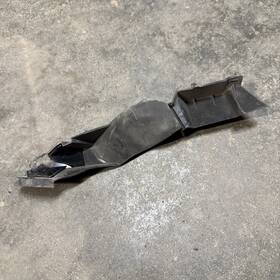
( Manufacturer Part Number: 53867-06140 ), ( Part Type: Cowl Cover Seal ), ( Warranty: 1 Year ), ( Parts Included: Only Part Reference 5 On The Diagram Is Included ), ( Fitment Type: Direct Replacement ), ( Genuine Oem: Yes ), ( Placement On Vehicle: Left ), ( Year: 2018 2019 2020 2021 2022 2023 2024 2025 ), ( Replaces Part Number: 5386733090 )
Review TOYOTA Genuine Cowl Cover Seal Read fits CAMRY 2018–2025
The **Toyota 53867-06140 Cowl Cover Seal** is a precision-engineered rubber gasket designed to ensure a perfect, airtight seal between the cowl panel and the vehicle s hood assembly on select Toyota models. Crafted from high-quality, durable rubber compound, this seal is engineered to withstand the rigors of daily driving, including exposure to temperature fluctuations, UV radiation, and minor mechanical stress, while maintaining its flexibility and resilience over time. Its smooth, contoured shape allows for an effortless yet secure fit, preventing drafts, road noise, and potential water ingress that could compromise the vehicle s interior comfort or electrical systems. Beyond its functional role, this seal also plays a critical part in enhancing the vehicle s aerodynamic efficiency by minimizing gaps that could disrupt airflow around the cowl, contributing to improved fuel economy and overall driving dynamics. Whether installed during routine maintenance or as part of a restoration project, the **53867-06140** ensures a professional finish, aligning seamlessly with Toyota s commitment to reliability and performance. Its straightforward, no-fuss design makes it an ideal replacement for worn or damaged original seals, helping owners maintain their vehicle s integrity with minimal effort.
**Pros and Cons of buying a Toyota 53867-06140 Cowl Cover Seal**
The Toyota 53867-06140 is a cowl cover seal designed to prevent dust, debris, and moisture from entering the engine bay through the gap between the hood and the cowl panel. Below is a detailed analysis of its advantages and disadvantages.
### **Pros**
1. **Prevents Contamination** The primary function of this seal is to block dust, dirt, and water from entering the engine compartment. This helps maintain cleaner air filters, reduces wear on sensitive components, and prevents rust or corrosion in critical areas.
2. **Improves Sealing** Over time, the original seal may degrade, crack, or lose its elasticity, allowing air and moisture to seep in. Replacing it ensures a tighter seal, which can enhance the vehicle s overall durability and performance.
3. **Prevents Engine Noise** A worn or missing cowl cover seal can contribute to wind noise inside the cabin, especially at higher speeds. A new seal helps reduce this annoyance.
4. **Compatibility with Toyota Models** This part is specifically designed for certain Toyota vehicles (e.g., older Corollas, Camrys, or RAV4 models), ensuring a proper fit without modifications.
5. **Easy Installation** The seal is typically a straightforward replacement that can be done with basic tools. Many owners report that it takes less than an hour to install, especially if they have access to a lift or jack stands.
6. **Cost-Effective Maintenance** Replacing a worn seal is far cheaper than dealing with potential long-term issues like water damage to wiring, electrical components, or engine bay corrosion.
7. **Extends Component Lifespan** By keeping moisture and debris out, the seal helps protect sensitive parts like the alternator, battery terminals, and wiring harnesses from premature failure.
### **Cons**
1. **Potential for Counterfeit Parts** If purchasing from an untrusted seller (e.g., third-party online marketplaces), there is a risk of receiving a low-quality or fake part that may not fit properly or last long.
2. **Limited Longevity** While the seal itself is durable, it is still a rubber or silicone component that can degrade over time due to heat, UV exposure, or oil contamination. It may need replacement every few years, depending on driving conditions.
3. **Installation Challenges for Some Owners** While generally easy, those without mechanical experience may struggle with removing the old seal (especially if it s stuck due to age or adhesive) or ensuring the new one is seated correctly.
4. **Compatibility Issues with Modified Vehicles** If the vehicle has aftermarket modifications (e.g., lifted suspension, custom hoods, or cowl panels), the stock seal may not fit as intended, requiring an alternative solution.
5. **Minimal Performance Impact** Unlike engine upgrades or suspension modifications, replacing this seal does not directly improve performance. Its benefits are mostly maintenance-related rather than performance-oriented.
6. **Price Variability** Prices can fluctuate depending on the seller, with some charging premiums for "new OEM" or "direct from Toyota" parts, which may not always be justified.
7. **Risk of Overlooking Underlying Issues** If the cowl panel itself is damaged or warped, replacing just the seal may not fully resolve sealing problems. A thorough inspection of the surrounding area is advisable.
### **Conclusion**
The Toyota 53867-06140 cowl cover seal is a practical and relatively inexpensive maintenance item that offers significant long-term benefits. Its primary advantages preventing contamination, reducing noise, and extending component lifespan make it a worthwhile upgrade for most owners. However, potential drawbacks such as counterfeit risks, limited lifespan, and minor installation challenges should be considered.
For most drivers, the pros outweigh the cons, especially if the seal is purchased from a reputable source (e.g., Toyota dealership, authorized parts distributor, or trusted online retailer). The ease of installation and the seal s role in protecting critical engine bay components make it a recommended maintenance step for vehicles where the original seal is worn or missing.
### **Recommendation**
If you are experiencing wind noise, dust accumulation in the engine bay, or suspect moisture ingress, replacing the cowl cover seal is a smart preventive measure. Here s how to proceed:
1. **Verify Compatibility** Confirm that this part number is correct for your specific Toyota model and year. Cross-reference with your vehicle s manual or a trusted parts database.
2. **Purchase from a Reliable Source** Buy from an authorized Toyota parts dealer, a well-reviewed online retailer, or a local auto parts store with a good return policy. Avoid suspiciously cheap third-party sellers unless they have strong reviews.
3. **Prepare for Installation** Gather basic tools (screwdriver, pry bar, possibly a heat gun for stubborn adhesive), and consider lifting the vehicle for easier access if needed.
4. **Inspect the Cowl Panel** While replacing the seal, check the cowl panel itself for cracks, warping, or damage. If it is compromised, address those issues simultaneously.
5. **Follow Installation Steps Carefully** Ensure the new seal is aligned properly and fully seated to avoid gaps. Some owners recommend applying a thin layer of dielectric grease to the seal s contact surface for added longevity.
6. **Test After Installation** Drive the vehicle and listen for any unusual noises or vibrations that could indicate improper sealing. If issues persist, recheck the installation.
For most owners, the time and cost invested in this replacement will pay off in reduced maintenance needs and a cleaner, more efficient engine bay. If you are unsure about the installation, consider consulting a mechanic or watching a detailed video guide for your specific model.
Details:
Broken piece, may be usable.
part #: 5386706140 prices
- $35.49-$39.99
specifications dooexter:
- for models: Camry
- for makes: Toyota
- for years: 2018-2025
- mpn: 53867-06140
- part type: Cowl Cover Seal
- warranty: 1 Year
- parts included: Only Part Reference 5 On The Diagram Is Included
- fitment type: Direct Replacement
- genuine oem: Yes
- placement on vehicle: Left
- year: 2018 2019 2020 2021 2022 2023 2024 2025
- replaces part number: 5386733090
payments dooexter:
- other
- wallet: Google-pay
- credit card: Mastercard
shipping dooexter:
- cost: $0.00
- type: Calculated
- carrier: USPS
- class: Standard
- service: USPS Ground Advantage
- transit: 4-9 Days
general dooexter:
- condition: For parts or not working
- Exterior Parts Accessories > Hoods > Hinges, Latches Additional Hood Components
seller dooexter:
- # reviews: 372
- city: Des Moines, Iowa
- rating: 100.0%
offer dooexter:
- started: May 25, 2026
- options: Ship-to-home
- availability: In Stock
- sold: 0
- quantity: 1
returns dooexter:
- time: 30 Days
- policy: Returns Accepted
- paid by: Seller
Toyota 53867-06140 Is Similar To:
- 53510-30220 Toyota Motor Toyopet Crown Ms Hood Lock Kit Genuine Part (29.6% similar) ...(June 30th, 2018)
- Toyota 53630-35070 Genuine Oem Hood Lock Latch Release Cable 2003-2009 4runner (44.8% similar) Left/LHS is drivers side. Right/Rh is passengers side. , new genuine oem toyota, 53630-35070 hood lock latch release cable 4RUNNER, same as your local dealer, toyota genuine parts, never aftermarket. Defective items may be exchanged after installation...(July 19th, 2023)
- Toyota 53601-02020-e4 Oem Genuine Lever Sub Assembly Hood Release Handle Knob (54.8% similar) Bought all parts to replace hood assembly but did not end up needing this one. Brand new never used...(October 8th, 2023)
- Toyota 53867-07010 Genuine Side Seal (74.7% similar) Electrical parts are not returnable...(October 15th, 2023)
- Toyota 53395-02240 Genuine Seal To Hood (65.1% similar) Sedan, with se, Xes sport bumper. Our toyota parts team is here to help. You can trust southwest toyota parts to be your source for all parts needs. Electrical parts are not returnable. To find the best deals online when buying genuine toyota parts, visit only southwest parts...(October 28th, 2023)
- Toyota 53395-08011 Oem 2021 2024 Sienna Seal To Hood (45.5% similar) Shipped with USPS ground advantage. Condition is used. Oem 2021 - 2024 toyota sienna seal to hood 53395-08011...(August 10th, 2024)
- Toyota 53410-06370 Genuine Hinge 0842 (56.5% similar) Part #: toyota 53410-06370 for sale...(August 30th, 2024)
- Toyota 53807-47030 2017-22 Prius Prime Front Under Hood Right Passenger Cowl Cover Seal Oem (52.2% similar) Transmission: automatic planetary gear acct. Donor vehicle: 2018 toyota Prius prime. Mileage: 50K miles. Body type: 4-DOOR hatchback. Exterior color: magnetic gray metallic 1G3...(September 17th, 2024)
- Oem 82817-06150 2015 Toyota Camry Rear Right Hinge Cover (35% similar) All parts are used oem in good working condition. Any attempt to disassemble the part will void the warranty. 2015 toyota camry rear right hinge cover 82817-06150 oem...(September 17th, 2024)
- Toyota 53601-02020-c0 Genuine Camry 2017 Oem Hood Release Handle (52.3% similar) Genuine toyota camry 2017 oem hood release handle 53601-02020-C0...(October 14th, 2024)
- Toyota 533410r030 Rav4 Hood Bonnet Sound Insulation Pad Cover Oem 2013 2018 (43.5% similar) Free shipping is available for most items within the 48 states. Please verify that it fits and is compatible with your specific model before purchasing. Donor vehicle: 2017 toyota RAV4 hybrid XLR 2.5L AWD automatic transmission. Mileage: 65K miles. Color: black 209-BLACK sand pearl exterior / FC20...(October 15th, 2024)