TOYOTA 181.TO1903 Hood Latch
fits model: Tundra. make: Toyota. year: 2000–2003.
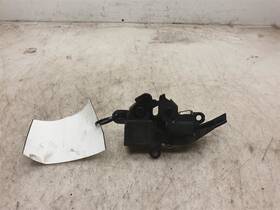
( Part Type: Hood Latch ), ( Genuine Oem: Yes ), ( Ipn: 181.to1903 ), ( Descriptionpartcondition: Used Good ), ( Warranty: 90 Day )
Review TOYOTA Hood Latch fits TUNDRA 2000–2003
The **Toyota Tundra (181 TO1903) Hood Latch Assembly (2000 2003)** is a critical yet often overlooked component that ensures the reliable operation of your full-size pickup s hood mechanism. Designed for durability and precision, this latch system is engineered to withstand the rigors of daily use, from routine maintenance tasks to heavy-duty towing and off-road adventures. The assembly features a robust **stamped steel latch mechanism**, reinforced with high-grade fasteners and a spring-loaded latch arm that provides smooth, consistent engagement with the hood striker. This design minimizes wear over time, reducing the likelihood of premature failure a common issue in older Tundra models where corrosion or misalignment can lead to stubborn or erratic hood operation. The latch is strategically positioned near the front fender, allowing for easy access while maintaining a clean, streamlined appearance under the hood. For added convenience, the assembly often includes a **quick-release mechanism**, enabling drivers to open the hood effortlessly without fumbling with multiple levers or tools. Whether you're performing routine inspections, servicing the engine, or simply accessing the battery, this latch ensures a seamless and secure operation, contributing to the overall functionality and reliability of your Tundra. Ideal for both original equipment replacement (OEM) and aftermarket upgrades, this component is a must-have for maintaining the integrity of your vehicle s front-end systems.
**Pros and Cons of Buying a Toyota Tundra (2000-2003) Hood Latch (Part Number: 181.TO1903)**
### **Pros:** The Toyota Tundra hood latch from this era is a straightforward, functional part with several advantages:1. **Compatibility and Fit** This latch is designed specifically for the 2000-2003 Toyota Tundra, ensuring a proper fit without modification. Toyota s engineering in this generation was relatively consistent, so aftermarket parts often align well.
2. **Durability** Toyota parts, even from this older generation, are known for durability. The latch is made from materials that can withstand repeated use, reducing the likelihood of premature failure.
3. **Ease of Installation** Replacing a hood latch is a relatively simple DIY job that typically requires only basic tools (screwdriver, socket set, and possibly a pry bar). Many owners report completing the job in under an hour.
4. **Cost-Effective** Compared to labor costs at a dealership, purchasing and installing the latch yourself saves money. Prices for this part are generally reasonable, especially when buying from reputable online retailers or Toyota parts specialists.
5. **Reliability** If the latch fails, replacing it is a minor repair that prevents further issues like a hood that won t stay closed or a broken latch mechanism that could damage the hood seal over time.
6. **Availability of Genuine and Aftermarket Options** You can find both OEM (original equipment manufacturer) and aftermarket versions of this part. Aftermarket options may offer slight cost savings or additional features (e.g., reinforced designs), though quality varies.
7. **Prevents Further Damage** A broken hood latch can lead to the hood falling open while driving, which is unsafe. Replacing it promptly avoids potential accidents or damage to the hood or surrounding components.
---
### **Cons:** While the part itself is functional, there are some potential drawbacks to consider:1. **Age of the Vehicle** The 2000-2003 Tundra is from an older generation, and some owners may face additional issues unrelated to the hood latch, such as rust, electrical problems, or suspension wear. This part alone won t address broader vehicle concerns.
2. **Rust and Corrosion** If the vehicle has been exposed to harsh weather or poor maintenance, rust around the latch area (e.g., on the hood or frame) could complicate installation or lead to future issues. Inspecting the surrounding area before purchase is wise.
3. **Mismatched Parts in Aftermarket Options** Some aftermarket latches may not match the original design perfectly, leading to gaps, difficulty closing the hood, or aesthetic inconsistencies. Genuine Toyota parts are the safest bet for a seamless fit.
4. **Potential for Counterfeit Parts** Purchasing from untrusted sellers (especially online marketplaces) risks receiving counterfeit or low-quality parts. Always buy from reputable sources like Toyota dealerships, authorized parts distributors, or well-reviewed online retailers.
5. **DIY Installation Challenges** While the job is manageable for most DIYers, those unfamiliar with automotive repairs may struggle with steps like removing the hood ornament, disconnecting wiring (if applicable), or aligning the latch properly. Watching a video guide beforehand can help.
6. **Limited Customization** Unlike newer Tundras, this generation offers few aftermarket upgrades for the hood latch itself. If you re looking for stylistic changes (e.g., custom paint or unique designs), your options are limited to what Toyota originally provided.
7. **Warranty Limitations** If you purchase a genuine Toyota part, it may come with a limited warranty (e.g., 12 months or 12,000 miles). Aftermarket parts typically have no warranty, so you re responsible for any failures.
---
### **Conclusion:**The **Toyota Tundra hood latch (181.TO1903) for the 2000-2003 model years** is a practical and necessary replacement part for a common wear-and-tear issue. Its pros such as compatibility, durability, ease of installation, and cost-effectiveness outweigh the cons for most owners. The main drawbacks (rust, potential counterfeit parts, or DIY challenges) can be mitigated with careful preparation and sourcing.
If your hood latch is broken or malfunctioning, replacing it is a smart investment to restore functionality and safety. For best results, opt for a **genuine Toyota part** or a high-quality aftermarket alternative from a trusted seller, and follow installation instructions diligently.
---
### **Recommendation:**1. **Source the Part Carefully** Purchase from an authorized Toyota dealer, a reputable online retailer (e.g., RockAuto, Amazon with verified sellers, or eBay from trusted shops), or a local Toyota parts store to avoid counterfeit or low-quality parts.
2. **Inspect the Hood Area** Before installing, check for rust, damage to the hood hinge, or misalignment that could affect the new latch s performance.
3. **Gather Tools and Guides** Have a socket set, screwdriver, pry bar, and a step-by-step installation guide (YouTube or Toyota service manual) ready to streamline the process.
4. **Consider Professional Help if Needed** If you re uncomfortable with DIY repairs, a mechanic can install the latch for a modest labor fee, though this will increase the total cost.
5. **Test the New Latch** After installation, ensure the hood closes securely and the latch engages properly. Adjust if necessary to prevent gaps or binding.
**Final Verdict:** Buying and installing this hood latch is a **worthwhile and straightforward repair** for the 2000-2003 Tundra. Prioritize quality over cost to ensure longevity and reliability.
Details:
Clear all computer fault codes. Replace throw out bearing. Remove torque converter bracket. Replace pilot bushing.
Clean the oil sump screen pickup tube. Add fluid to manufacturers suggested levels. Replace clutch. Use manufacturer recommended Transmission fluid.
Replace axle or drive shaft seal. Adjust throttle position sensor cable. Daytime phone number is required load will not deliver until appointment scheduled. Inspect and replace, if needed timing gears, chains, pensioner or belts gaskets.
Drain gear lubes and fill to manufacturers specifications. Someone over 18 must be present for delivery. Inspect adjust or replace shiftier linkages. Install new water pump.
Differentials Axle Assemblies. Install new belts hoses. Flush inspect transmission cooling lines. Replace oil, air fuel filters Replace valve cover gaskets.
Replace flywheel. Replace Filter and Gaskets. Automatic Transmissions. Flush cooling system and refill with antifreeze to appropriate level.
Drain replace engine oils to manufacturers suggested levels. Inspect replace, gaskets and seals if needed. Manual Transmissions. Replace oil pan gasket front/rear main seal.
Replace all seals. Replace thermostat gasket. Load is curbside delivery ONLY. Install new spark plugs wires.
Properly torque converter.
specifications dooexter:
- for models: Tundra
- for makes: Toyota
- for years: 2000-2003
- part type: Hood Latch
- genuine oem: Yes
- ipn: 181.to1903
- descriptionpartcondition: Used Good
- warranty: 90 Day
general dooexter:
- Exterior Parts Accessories > Hoods > Hinges, Latches Additional Hood Components
- condition: Used
shipping dooexter:
- service: Standard
- class: Standard
- cost: $10.00
- transit: 3-7 Days
- type: Fixed
offer dooexter:
- options: Ship-to-home
- quantity: 1
- best offers: True
- availability: In Stock
- sold: 0
- started: May 13, 2026
seller dooexter:
- # reviews: 9530
- rating: 99.5%
- city: Rancho Cordova, California
payments dooexter:
- other
- wallet: Google-pay
- credit card: Discover
returns dooexter:
- paid by: Seller
- time: 30 Days
- policy: Returns Accepted
Toyota Is Similar To:
- 53341-14110 Toyota Mkiv Supra Hood Insulation (44.2% similar) Toyota Markov supra. Selling a brand new hood insulator for clips the insulation are included. I am not willing to ship - it will get damaged in shipping...(June 24th, 2018)
- 53403-60010 Toyota Land Cruiser Series Hood Support Rod Oem Used (32.4% similar) Toyota land cruiser hood support rod in good used condition. The support rod fits FJ40 series trucks from 1972 through is complete with a fresh grommet...(October 16th, 2018)
- 53410-60010 Toyota Land Cruiser Hood Hinges Pair Series Used (33.7% similar) Used toyota land cruiser hood hinge set in good condition. The old paint should be stripped prior to painting. Fits 3/6 9 to 9/7 4 land cruisers...(October 16th, 2018)
- 53450-90a00-u Toyota Land Cruiser Landcruiser Hood Support Balancers (34.9% similar) Toyota land cruiser hood supports balances used. Fits FJ60 and FJ62 land cruisers buyer to pay shipping...(March 29th, 2018)
- 53510-30220 Toyota Motor Toyopet Crown Ms Hood Lock Kit Genuine Part (36.7% similar) ...(June 30th, 2018)
- 53550-90300-r Toyota Auxiliary Hood Catch Hook (43.7% similar) Toyota land cruiser auxiliary hood catch hook. This hook has been sand blasted and zinc coated. Fits FJ40, FJ45, and BJ40 land cruisers...(August 15th, 2018)
- 6449-0021s Brock Toyota Camry Hybrid Set Of Hood Lift Support Struts (29.4% similar) Please through messaging. Visually compare the part you are replacing with our pictures. Match reference numbers from the item specifics section above...(July 2nd, 2018)
- Mis-084 Rem Toyota Supra Hood Insulation Pad (42.4% similar) This pad is perfect for finishing the detail under hood. Some items ship from separate locations and can not be combined. Made from an original example to insure it is authentic. Some items can not be combined due to the size and shape of packaging. It will look great on your supra. This hood ...(July 31st, 2018)
- 53410-90k00 Toyota Hood Hinge Rh Lh Pair (32.1% similar) Shipping:DHL. Warranty:not applicable...(May 15th, 2021)
- Toyota 53630-35070 Genuine Oem Hood Lock Latch Release Cable 2003-2009 4runner (40.3% similar) Left/LHS is drivers side. Right/Rh is passengers side. , new genuine oem toyota, 53630-35070 hood lock latch release cable 4RUNNER, same as your local dealer, toyota genuine parts, never aftermarket. Defective items may be exchanged after installation...(July 19th, 2023)
- Perfect Fit 17184672 Hood Hinges Passenger Right Side Hand 534100a120 For Toyota Corolla Cross 2022 (18.6% similar) Desc highlight color: #113679;. > cow-container wrap max- width : 1130PX; margin: auto 35PX auto;. Link desc line height : 18PX; #content banner background: linear-gradient 180DEG, # 0%, #ff 13.02%, 85.42%, 99.98%, 99.99%, #333333; padding: 40PX 8PX;. Condition new, location right. All replacement ...(August 11th, 2023)